Bedding & Care
Coyuchi Duvet Covers: A Guide to Fabric, Closures, and Care
The duvet cover is the bedroom’s hardworking top layer: close to your skin, exposed to nightly movement, and destined for the laundry. Fabric, fastening, and care instructions all help determine whether it feels comfortable and stays easy to manage.
A practical guide to weighing those details when planning a breathable, low-fuss sleep setup.
A duvet cover can change the feel of a bed without changing the duvet insert itself. It adds a washable layer, brings texture and color into the room, and has the everyday job of keeping the insert protected. But the best choice is not necessarily the one that looks most polished in a product photo. The fabric’s hand, the way it handles warmth and moisture, the closure at the bottom, and the care routine all matter once the cover is in regular rotation.
For anyone exploring Coyuchi duvet covers, those practical details offer a useful starting point. Rather than treating “linen” or “cotton” as a complete answer, look at the complete construction and the care label for the exact item. Fibers, finishes, closures, and laundering directions can vary from one cover to another—even within a brand’s assortment.
Here’s how to think through the details, set realistic expectations, and keep a duvet cover feeling comfortable without turning laundry day into a project.
Start with the fabric, not the bedroom aesthetic
A duvet cover is one of the largest textile surfaces in the bed, so its feel can shape the first impression of a sleep setup. It may feel crisp, smooth, textured, or softly relaxed. Those qualities come from more than the fiber name: weave, yarn, fabric weight, finishing, and previous washing can all influence the hand.
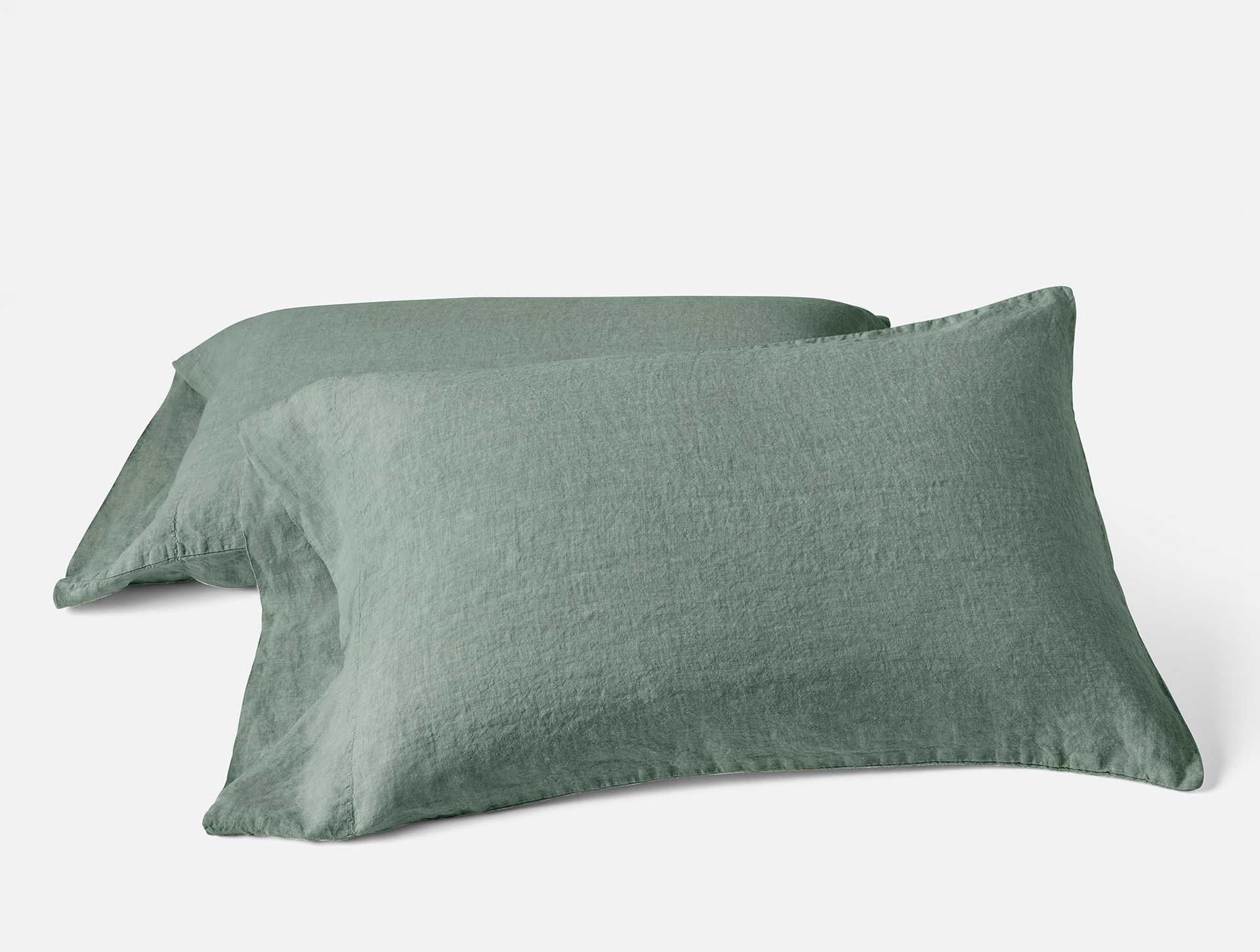
Linen is made from flax fibers and is often appreciated for its textured surface, easy drape, and character that changes with use. Many sleepers like its relaxed look, including the natural creases that can remain after laundering. Linen can allow air to circulate and can handle moisture differently from some denser-feeling fabrics, but that does not guarantee every person will sleep cooler. Room temperature, duvet weight, personal warmth, and the rest of the bedding all play a part.
Cotton covers can offer a different kind of familiarity. Depending on the weave and finish, cotton may feel crisp and matte or smoother and more fluid. A plain weave, such as percale, typically has a distinct, crisp hand; other cotton constructions may feel softer or silkier. As with linen, the fiber alone cannot tell you exactly how a particular cover will feel. Check the item’s material description and, where available, its construction details.
“Organic” describes how a fiber is grown or processed under a defined standard; it is not a promise of a particular softness, cooling effect, or wrinkle-free finish. If a specific duvet cover carries a certification, confirm which certification is named and what it covers. Avoid assuming that every item in a collection has the same materials or certification just because it shares a brand name.
When comparing covers, useful questions include:
- What is the stated fiber content, and is it a single fiber or a blend?
- Does the description name the weave, fabric weight, or finish?
- Is the fabric garment-washed, stone-washed, or otherwise treated?
- What does the care label say about water temperature, drying, and ironing?
- Will the texture suit your preferences if it remains naturally rumpled?
Breathability is a piece of the sleep-comfort puzzle
Breathable bedding can contribute to a comfortable sleep environment, but it is only one part of the picture. A duvet cover does not operate in isolation: the insert’s fill and warmth, the mattress, pajamas, humidity, bedroom temperature, and individual sleep patterns all affect how warm the bed feels. The same cover can feel just right to one sleeper and too warm or too textured to another.
For warm sleepers, it can help to consider the entire bed rather than expecting a fabric to solve everything. A lighter duvet insert, breathable pajamas, and a cooler room may make more difference than switching the cover alone. For someone who likes a cozy, substantial bed, a more textured cover paired with an appropriate insert may feel inviting throughout the year.
Moisture management is another reason people consider linen. A textile that allows air movement and does not feel clammy to a particular sleeper may help the bed feel more comfortable. Still, bedding cannot prevent night sweats or treat a medical condition. If sweating during sleep is frequent or concerning, a healthcare professional can help assess possible causes.
One easy-to-miss factor is the duvet insert’s fit. An insert that is too small for the cover can bunch toward the center, leaving empty corners. An oversized insert may make the cover difficult to close or create uncomfortable bulk. Before laundering or making the bed, compare the manufacturer’s dimensions for both pieces and check that they are intended to work together.
Closures do more than finish the edge
The closure at the opening affects both convenience and how securely the insert stays inside. Common options include buttons, a zipper, ties, snaps, or an overlapping fabric flap. Each has a slightly different feel and routine, so it is worth checking the construction details before deciding what will suit your household.
Buttons
Buttons are familiar and can be straightforward to fasten one by one. They may be visible or hidden beneath a placket, depending on the design. If a button is loose, repair it before it disappears in the wash. For a cover that goes through frequent laundry cycles, take a moment to inspect the stitching around the closure now and then.
Zippers
A zipper can provide a neat, nearly continuous closure. Before washing, follow the care instructions about whether it should be closed. A closed zipper may help prevent snags on other fabrics, while an open one may be requested by the manufacturer for a particular construction. Do not force a stuck zipper; remove the insert and gently check for trapped fabric rather than pulling hard on the slider.
Interior ties
Ties, loops, or other internal fasteners connect the insert to the cover at selected points. They can help limit shifting, especially at the corners. Secure them with a simple knot or bow that can be untied without tugging on the fabric. If the insert has no matching loops, check whether the cover’s ties can be used safely without stressing either item.
Snaps and fabric flaps
Snaps offer a quick fastening method, while an envelope-style flap relies on overlapping fabric. In either case, make sure the opening is fully closed before placing the bed in use. The details are small, but an opening that suits your routine can make weekly bed changes feel less fiddly.
No closure is automatically superior. Think about how often you remove the cover, whether you prefer quick fastening or a more traditional finish, and how much insert movement you typically notice. Closure style can also affect laundering: follow any specific direction about protecting hardware, fastening the opening, or placing the item in a laundry bag.
A dependable care routine begins with the label
When duvet-cover care advice differs from a general linen or cotton rule, the product’s own instructions should take priority. Fiber content, dye, finishing, stitching, and closure hardware can all affect what a cover can tolerate. A cold, gentle wash may suit one item, while another may allow a warmer cycle. Do not transfer care directions from a separate sheet set or pillowcase, even if the fabrics sound similar.
Before the first wash, check the label and the manufacturer’s current care guidance. Note the permitted wash temperature, cycle, detergent instructions, bleach restrictions, and drying method. If the tag is missing or unclear, consult the brand’s official guidance for the precise item or contact the seller rather than guessing. Particular care is important for dark colors, specialty finishes, embroidery, and covers with delicate closures.
Wash with a little breathing room
Wash the cover with similar colors and avoid crowding the machine. Bedding needs room to move through water and rinse thoroughly. Overloading can leave detergent behind and put extra strain on seams. If the cover is especially large for the washer, a larger-capacity machine may clean it more evenly.
Use a detergent appropriate for the fabric and follow its dosage directions. More soap does not necessarily mean cleaner bedding; excess residue can be difficult to rinse away and may leave fabric feeling less pleasant. Skip chlorine bleach unless the care instructions specifically allow it. If a stain appears, treat it promptly using a method suitable for the fiber and color, testing an inconspicuous area when appropriate.
Dry gently and avoid overdoing it
High heat and prolonged drying can be tough on many textiles. If the label permits machine drying, use the recommended setting and remove the cover once it is dry rather than leaving it tumbling for an extended period. A line or rack can be an option when the instructions allow it and the space is suitable. Spread the fabric out so it can dry evenly.
For linen, a few soft creases are part of the fabric’s everyday character. If you prefer a smoother finish, follow the label’s ironing guidance; some linen is easier to press while slightly damp. If you enjoy the relaxed look, smoothing the cover by hand and putting it back on the bed promptly may be enough. Avoid ironing any area with hardware unless the care instructions clearly permit it.
Keep the insert out of the wash unless instructed
A duvet cover is generally the removable layer designed to be laundered more regularly than the insert, but the insert has its own care instructions. Check both labels before washing either piece. When removing the cover, shake and air the insert as appropriate, then make sure it is fully dry before enclosing it again. Trapping dampness inside bedding is best avoided.
How often should a duvet cover be washed?
There is no single schedule that suits every bed. Washing frequency depends on personal preference, allergies, pets, skin products, how often the bed is used, and whether a top sheet sits between the sleeper and the duvet. A cover used directly against the body may need laundering more often than one separated by a regularly washed sheet.
Instead of following a rigid calendar, build a routine that keeps the bedding fresh without unnecessary wear. A regular change day makes the task easier to remember. Wash sooner after illness, spills, heavy sweating, or other situations that call for it, and follow any advice from a healthcare professional for specific sensitivities or conditions.
If you use a top sheet, keep that layer clean too. A top sheet can reduce direct contact between the duvet cover and skin, but it does not eliminate the need to wash the cover. It simply changes how quickly the cover may need attention in your particular routine.
Make the bed change easier
Putting a duvet into its cover can be the least glamorous part of a freshly washed bed. A simple approach keeps the fabric from turning into a wrestling match. First, turn the cover inside out and lay it flat. Place the insert on top, aligning corners. Reach inside the cover to grasp the two far corners and the corresponding insert corners, then turn the cover right-side out over the insert. Secure interior ties if present, close the opening, and give the duvet a gentle shake to distribute the fill.
This method is often called the “burrito” or roll method when the cover and insert are rolled together before the cover is turned back over them. The exact technique can be adjusted for the size of the bed, but the principle is the same: align first, fasten second, and avoid pulling sharply on seams or ties.
A quick check after making the bed can prevent overnight annoyance. Feel for empty corners, confirm the opening is closed, and make sure ties are secured without being overstretched. If the insert repeatedly shifts, review the sizes and fasteners before assuming the cover itself is the problem.
A short checklist for choosing thoughtfully
Before settling on a cover, bring the decision back to everyday use. The details below are more useful than a vague promise of luxury or a single fabric buzzword.
- Feel: Do you prefer a crisp, smooth, or textured surface?
- Sleep temperature: Is the whole bed—including the insert—appropriate for your usual room conditions?
- Fiber and weave: Are the materials and construction clearly stated?
- Fit: Do the cover and insert dimensions match?
- Closure: Are buttons, a zipper, ties, snaps, or a flap convenient for your routine?
- Care: Can you follow the laundering and drying instructions with your household setup?
- Expectations: Are you comfortable with the fabric’s natural texture and likely wrinkles?
The bottom line on Coyuchi duvet covers
A well-considered duvet cover brings together three simple ideas: a fabric you enjoy against your skin, a closure that keeps the insert manageable, and a care routine you can realistically maintain. Linen may appeal to sleepers drawn to breathability and a softly rumpled finish; cotton offers its own range of crisp or smooth textures. Neither label alone determines comfort, and neither can replace checking the specifications for the particular cover.
When evaluating Coyuchi duvet covers, use the same practical lens you would use for any bedding: read the material details, inspect the closure construction, compare dimensions, and follow the item-specific care instructions. A few minutes spent checking those details can prevent a poor fit, a frustrating wash, or an unexpected change in texture.
The result need not be a perfectly pressed bed. It can simply be a clean, comfortable layer that suits your sleep preferences and fits into real life—one that looks inviting at bedtime and feels easy to care for the next morning.