Bedding • Sleep comfort • Fabric care
Naturepedic Percale Sheets: What Their Crisp Weave Means for Sleep
There’s a particular pleasure in slipping into a freshly made bed: the smooth surface, the cool first touch, the gentle rustle as you settle in. When that bed is dressed in percale, the feeling is often crisp, breathable, and pleasantly straightforward. Here’s what the weave means, how it may shape your sleep experience, and what to consider when comparing organic cotton percale with linen and other sheet fabrics.
The quick answer: percale is a weave, not a fiber
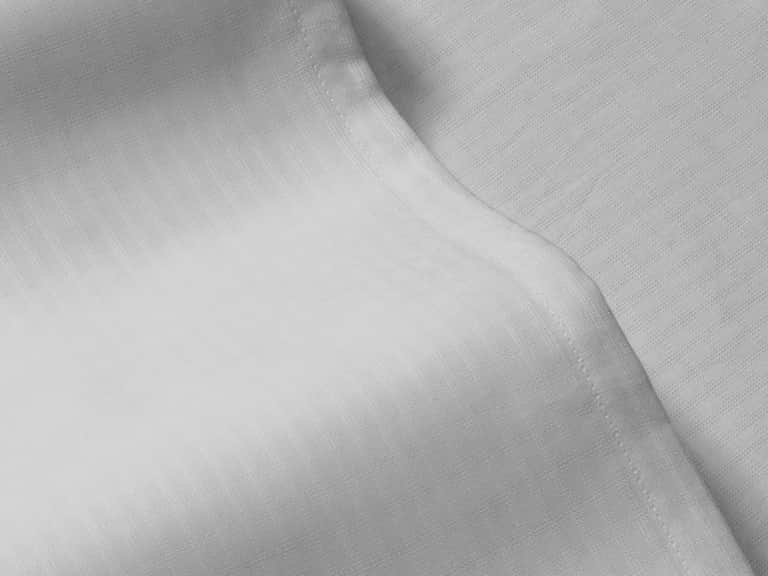
“Percale” describes how yarns are arranged, rather than the raw material they’re made from. In a basic plain weave, each horizontal weft yarn passes over one vertical warp yarn, then under the next. Repeating that simple over-under pattern creates a balanced fabric with a close, even surface. The result is commonly associated with a matte finish and a crisp, cool hand.
The fiber matters, too. Cotton percale combines the structure of the weave with cotton’s familiar softness and absorbency. Naturepedic’s organic cotton percale sheets offer one example: the available descriptions specify GOTS-certified organic cotton, a 300 thread count, and a breathable percale construction. Those details help explain the fabric, though they can’t predict exactly how it will feel to every sleeper. Personal comfort is wonderfully individual.
So if “crisp” sounds appealing, percale may be worth understanding. If you prefer a silky, fluid, or richly textured surface, another weave or fiber might feel more like home. No sheet can guarantee better sleep on its own, but the right-feeling fabric can make the bed more inviting—and that’s a welcome place to start.
Why a plain weave feels crisp and airy
Percale’s hallmark is its balanced construction. Because the yarns cross in a straightforward, regular pattern, the fabric tends to have a neat, smooth face without the pronounced sheen associated with some sateen fabrics. Many people describe new percale as crisp or almost shirt-like. With repeated washing, cotton percale can become softer while retaining much of its characteristic structure.
That clean, lightly crisp feel is more than a style choice. It changes how the sheet meets the skin: instead of a drapey, clingy sensation, percale often feels light and distinct, with a little more structure. Some sleepers like the fresh, just-made-bed quality. Others prefer fabric that immediately feels plush and relaxed. The best test is not a trend or a thread-count claim; it’s whether the texture feels comfortable to you.
Its open, balanced construction is also often associated with airflow. A breathable sheet can contribute to a less stuffy-feeling sleep surface, but the whole bed matters: room temperature, humidity, mattress materials, blankets, sleepwear, and individual differences all play a part. Percale isn’t an air conditioner, and no sheet can promise that every sleeper will stay cool. It can, however, provide the light, crisp fabric feel many warm sleepers seek.
Keep in mind that “breathable” is not the same as “cooling” in every circumstance. A person’s comfort depends on more than weave alone. If you tend to wake warm, think about the entire sleep setup before expecting a new set of sheets to solve the problem. A lighter duvet, a cooler room, or fewer layers may matter just as much.
How Naturepedic’s organic cotton percale fits the picture
Naturepedic’s organic cotton percale sheets bring together two separate considerations: fiber sourcing and fabric construction. “Organic cotton” refers to the cotton and the standards applied to its production; “percale” refers to how the fabric is woven. Understanding that distinction makes bedding descriptions easier to read—and keeps one appealing label from doing too much work.
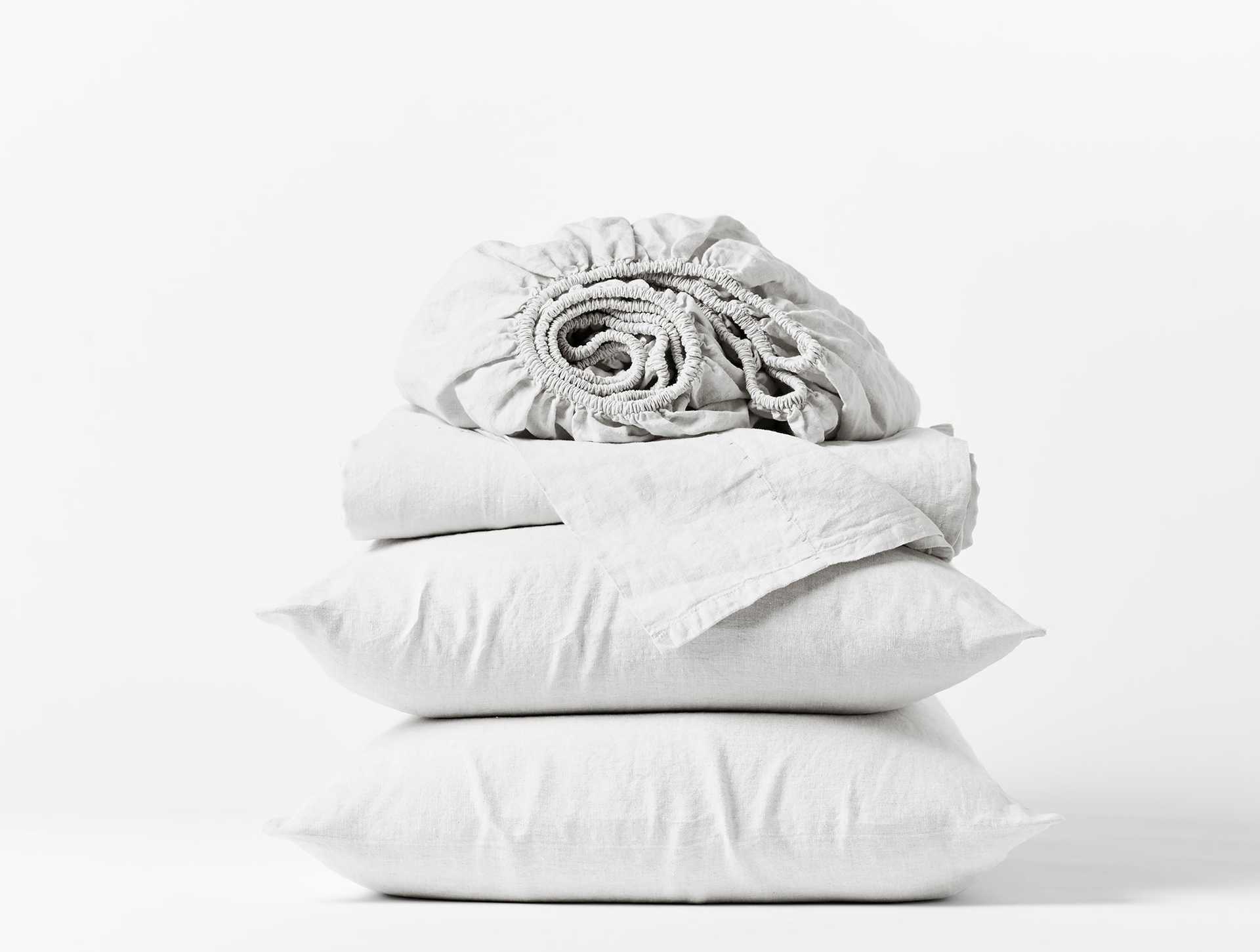
The Naturepedic sheet-set information describes a 300-thread-count, GOTS-certified organic cotton percale with a crisp, breathable feel. The set includes a flat sheet, a fitted sheet, and two pillowcases, and its fitted sheet is described with a 15-inch pocket. Actual sizing and dimensions can vary by size, so checking the specific set details is a sensible step before choosing bedding for a particular mattress.
GOTS is a textile certification that addresses organic fibers as well as environmental and social criteria across processing stages. A certification can be useful when you care about how a textile is made, but it doesn’t establish that a fabric will suit every preference or sensitivity. Nor does “organic” automatically mean that a sheet is hypoallergenic or that it will treat an allergy. It describes sourcing and processing standards, not a medical outcome.
Likewise, a 300 thread count is one specification—not a complete comfort score. Thread count describes the number of threads within a measured area of fabric, but it can’t tell you everything about fiber quality, yarn construction, finishing, or how the sheet will feel after laundering. With percale, weave and cotton quality deserve attention alongside the number. In other words, a bigger figure is not automatically a better night’s sleep.
Percale versus linen: crisp surface or relaxed drape?
Both cotton percale and linen can appeal to people who value a breathable-feeling bed, yet the fabrics have distinct personalities. Percale tends to offer a flatter, more even surface and a fresh, crisp hand. Linen, made from flax fibers, is usually more visibly textured and has a relaxed drape. It may feel weightier or more characterful in the hand, while percale often feels more uniform and tailored.
There isn’t a universal winner. If you love a smooth, matte surface and a bed that feels tidy and cool to the touch, percale may be the better match. If you enjoy natural texture, a gently rumpled look, and fabric that feels more relaxed, linen may be more appealing. Linen often softens with use, and cotton percale can soften with washing as well. Neither needs to be treated as a luxury reserved for a particular kind of bedroom; both are practical materials with different tactile qualities.
Care preferences can help settle the question. Linen’s natural texture can make wrinkles part of its laid-back appearance, while percale can also wrinkle and may look smoother when removed from the dryer promptly or lightly pressed. If ironing is not on your list of favorite household activities, you can often let the sheets dry with a little natural creasing. The goal is comfortable bedding, not a perfectly pressed display.
Think of the comparison as a choice between fabric moods, not a contest. Percale feels crisp and composed; linen feels textured and easygoing. If possible, handle samples or fabric swatches before committing. A description can tell you about weave and fiber, but your own fingertips are much better at telling you what feels inviting.
Who might enjoy percale—and who might not?
Percale can be a good fit for sleepers who like a light, crisp feel, dislike shiny or overly silky surfaces, or want sheets that feel fresh against the skin. People who sleep warm often look for breathable cotton percale, although individual results vary. Its matte appearance also works well for anyone who likes a clean, simple bed without a glossy finish.
On the other hand, sleepers who want a plush, brushed, or immediately buttery-soft feel may find new percale too firm or crisp at first. People who are particularly sensitive to texture might also prefer to feel the fabric before buying. If your favorite sheets have a smooth, flowing drape, a sateen weave may be a closer fit. If texture and relaxed character are part of the appeal, linen could be the better starting point.
There’s no need to force yourself into a popular bedding preference. Comfort is personal, and even two people sharing one bed can have different ideas about the perfect sheet. Where possible, consider the feel of the fabric alongside the practical details: mattress depth, set contents, wash instructions, and whether the weave suits your usual sleep environment.
Care tips for cotton percale sheets
Good care is less about elaborate rituals than about avoiding unnecessary stress on the fabric. Always begin with the manufacturer’s care label, since instructions can differ by finishing and construction. Naturepedic’s organic cotton percale sheet information specifies machine washing warm, tumble drying on low, warm ironing if desired, and no bleach. Follow the instructions for the particular set you have, rather than assuming every cotton sheet should be handled in precisely the same way.
- Wash before first use if the care label permits. This can remove packaging dust and help the fabric settle into its familiar hand.
- Use a gentle detergent and a suitable load size. Overfilling the washer can prevent bedding from moving freely and rinsing well.
- Skip chlorine bleach unless the care instructions specifically allow it. Harsh bleaching can weaken fibers or affect color.
- Choose moderate drying. Low heat helps limit unnecessary wear and can reduce over-drying, which may leave cotton feeling rougher.
- Remove sheets promptly. Folding or making the bed soon after drying helps limit deep creases. Ironing is optional, not a requirement for comfort.
- Wash bedding regularly. A consistent routine helps keep sheets fresh; timing can depend on personal needs, season, and household circumstances.
Fabric softener is another detail to approach thoughtfully. Some care instructions advise against it because residue may affect a fabric’s hand or absorbency. When a manufacturer provides specific guidance, follow it. And resist the temptation to use extra detergent in pursuit of “extra clean” sheets: detergent left in fabric can irritate some skin and may make textiles feel less pleasant.
The fit matters as much as the feel
A beautiful weave can’t compensate for a fitted sheet that keeps popping off. Before choosing a set, check your mattress dimensions and depth, including any topper you regularly use. A 15-inch pocket is a helpful specification, but it does not mean the sheet will fit every mattress configuration. The mattress, topper, and any added pad together determine how much depth you need.
Also check what the set includes. A standard sheet set might contain a fitted sheet, a flat sheet, and pillowcases, but the number and dimensions of pillowcases can change with bed size. If you use an unusually thick mattress, an adjustable bed, or separate Twin XL mattresses, confirm those details rather than relying on the broad label “queen” or “king.” A secure fit keeps the bedding comfortable and saves the nightly chore of remaking a loosened corner.
Once the sheets are on the bed, small adjustments make a difference: smooth out trapped folds, make sure the fitted corners sit fully under the mattress, and avoid layering so many blankets that the breathable feel you chose becomes hard to notice. The sheet is one part of a sleep system, not the entire story.
A better way to compare sheet materials
Shopping for sheets can quickly become a blur of numbers and adjectives. A simple comparison framework keeps the decision grounded in what you can actually assess:
- Fiber: Is the fabric cotton, linen, or another material? Do you have a preference for natural fibers or a particular feel?
- Weave: Is it percale, sateen, or another construction? The weave has a strong influence on surface feel and drape.
- Finish: Has the fabric been softened, brushed, or otherwise treated? Finishing can affect how it feels when new.
- Care: Will you realistically follow the washing and drying instructions? Easy-to-maintain bedding is more likely to stay in regular use.
- Fit and contents: Confirm mattress depth, sheet dimensions, and the pieces included in the set.
- Certification: If organic sourcing matters to you, look for clear, verifiable certification details and understand what the standard covers.
This approach helps put thread count in its proper place. It can contribute useful information, but it is not a shortcut to comfort. A well-made fabric with a lower number may feel better to you than a denser one, depending on yarn, weave, finish, and personal taste.
A calm bedroom starts with realistic expectations
Fresh sheets can make a bedroom feel more cared for, but bedding is not a cure for insomnia, allergies, or other health concerns. If you have persistent sleep difficulties or a suspected allergy, consider speaking with a qualified health professional. For everyday comfort, focus on practical, evidence-minded steps: keep bedding clean according to its care label, choose a fabric you like against your skin, and make the room comfortable for your needs.
It’s also worth separating the qualities of a fiber from claims about health. Organic certification can offer information about production standards. Cotton’s absorbency, percale’s plain weave, and linen’s textured drape describe material characteristics. None of these facts alone proves that a sheet will prevent symptoms or improve sleep for every person. Clear language is more useful than sweeping promises.
The bottom line on Naturepedic percale sheets
Naturepedic’s organic cotton percale sheets offer a clear example of how fiber and weave work together. Organic cotton describes the material and its sourcing standards; percale describes the balanced plain weave that gives the fabric its crisp, matte character. A 300 thread count, GOTS certification, and practical care directions add useful context—but your preferred texture, mattress fit, and everyday habits remain central to the decision.
For sleepers drawn to a fresh, breathable-feeling surface, percale has an easy appeal: it’s structured without being flashy, comfortable without promising miracles, and simple to care for when you follow the label. For those who prefer a softer drape or a more pronounced natural texture, linen may be the better match. The best sheet is the one that feels right when you turn down the covers—and still feels right after the wash.
Frequently asked questions
Are percale sheets good for warm sleepers?
Percale is often chosen for its crisp, breathable feel, which many warm sleepers enjoy. It cannot guarantee a cooler night, since room conditions, blankets, mattresses, and individual temperature preferences also matter.
Does percale get softer over time?
Cotton percale commonly softens with repeated washing while maintaining its characteristic structure. Use the care instructions to help protect the fibers and avoid excessive heat or harsh products.
Is a higher thread count always better?
No. Thread count is one specification among several. Fiber quality, yarn construction, weave, finish, and personal preference all help determine how sheets feel and perform.
Are organic cotton percale sheets hypoallergenic?
Organic certification describes production standards; it does not establish that bedding is hypoallergenic or suitable for every person with allergies. If you have a specific concern, seek advice from a qualified health professional and review the fabric and care details carefully.
How does percale compare with linen?
Percale typically feels smooth, crisp, and even. Linen has a more noticeable texture and relaxed drape. Both can be breathable-feeling options, but their surface character and care preferences differ.