Care Essentials for Linen Bedding: How to Wash, Dry, and Care for Longevity
A practical, science-backed guide to maintaining linen sheets for optimal softness, durability, and hygiene. We explore washing temperatures, detergents, drying methods, and debunk common myths to help you preserve texture, breatheability, and color over time.
I. The Promise of Linen: Why Care Matters
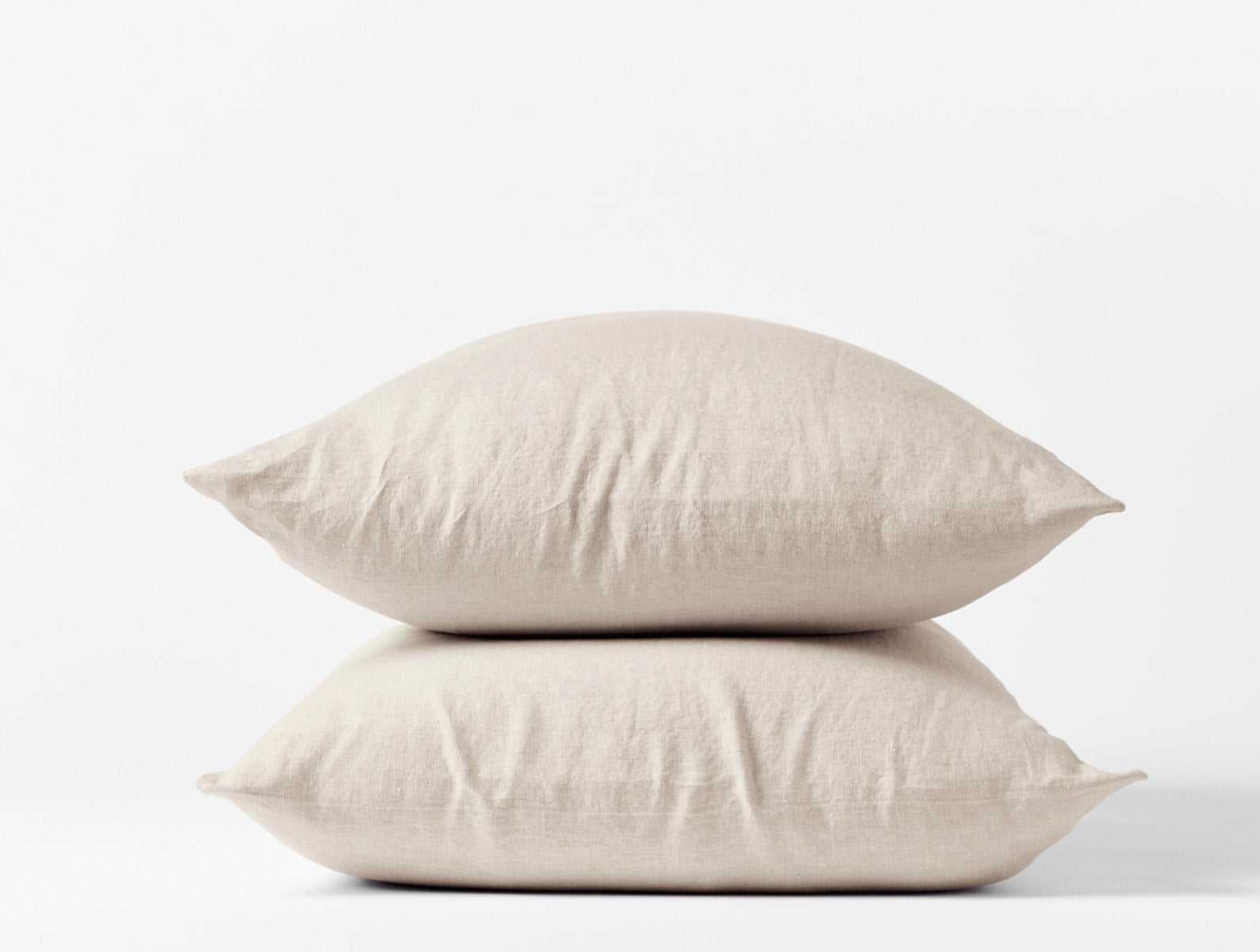
Linen is not like other textiles. Derived from the flax plant, linen fibers gain softness with every wash and use, developing a relaxed drape and a cooler touch that many sleepers prize. But the very properties that make linen so desirable—its breathability, moisture-wicking, and strength—also demand mindful care. When treated well, linen sheets can outlast many cotton or synthetic sets, aging gracefully with a sunlit patina and a tactile "lived-in" hand that only improves with time.
Historically associated with European textile traditions, linen has long stood for purity and authentic craftsmanship. Modern care science confirms what linen lovers have long observed: hot water and aggressive agitation can wear the fibers; too much chemical softener can coat the surface and reduce absorbency. This guide distills practical steps that respect linen’s biology while delivering everyday comfort.
II. Care Steps Overview: From Laundry to Longevity
Care steps at a glance:
- Separate linen from heavily dyed fabrics to reduce color bleed.
- Choose mild, fragrance-free detergents that respect natural fiber integrity.
- Avoid chlorine bleach and heavy fabric softeners that can impair moisture management.
- Prefer air-drying when possible to minimize fiber wear; a warm tumble can finish softness.
- Wash linen sheets in cooler to moderate temperatures to preserve texture and shrinkage control.
Beyond washing, routine maintenance—such as trimming wrinkles with minimal heat and handling linens gently after washing—extends the life of your sheets and preserves their breathable character.
III. Temperature Truths: What Water Temperature Does Linen Prefer?
Linen fibers respond well to gentle treatment. Cold to warm water is typically enough to remove everyday soils and oils, while preserving fiber strength. A few practical notes:
- Cold wash (60°F/15°C) is often sufficient for regular cleaning and avoids unnecessary energy use.
- Warm wash (up to 110°F/43°C) can help with set-in stains or heavier soils, but avoid high heat regularly to minimize shrinkage and fiber fatigue.
- Hot water is generally not recommended for linen sheets unless a specific sanitation protocol is required, as it can accelerate fiber wear over time.
When in doubt, check care labels on each linen item; fabrics produced under GOTS certification or other eco-labels may include specific temperature recommendations for best results.
IV. Detergents and Additives: What Keeps Linen Breathable?
Detergents matter. Linen loves a clean rinse and won’t appreciate residue or overpowering fragrances. The right choice helps maintain the fabric’s natural texture, color, and breathability.
- Use mild, liquid detergents without heavy fragrances, enzymes, or optical brighteners.
- Avoid fabric softeners; they can coat fibers and diminish moisture management.
- Skip chlorine bleach; hydrogen peroxide-based alternatives are gentler on linen and can handle certain stains with care.
For organic or sensitive-skin households, consider detergents labeled as dye-free and fragrance-free, or even specific “linen” detergents designed to protect fiber integrity.
V. Drying Decisions: Air Dry vs. Tumble Dry
Drying is where texture and longevity meet. Linen dries quickly due to its highly breathable structure, but heat exposure is a double-edged sword: it can set wrinkles and affect fiber integrity if too intense.
- Air-drying flat or on a line preserves texture and minimizes wrinkling in a natural, low-energy way.
- If using a dryer, choose a low heat or delicate setting and remove while slightly damp to reduce static and stiffness.
- Line-drying indoors near a window or a sunny spot can deliver best of both worlds—air flow and convenience.
Tip: shake linens gently after washing to relax fibers, then dry promptly to prevent deep-set wrinkles.
VI. Common Myths Debunked
Myth-busting—because linen care should be practical, not fussy:
- Hot water sanitizes linen dramatically more than cool water: False. Regular washing at moderate temperatures with a good detergent is typically sufficient for hygiene; hot water can shorten linen’s lifespan.
- Fabric softeners improve softness forever: False. They coat fibers and can reduce absorbency and breathability over time.
- Wrinkles mean ruined linen: False. Linen’s natural character includes soft wrinkles that soften with use; a quick iron or a light steaming session can refresh the finish if desired.
VII. A Closer Look at Linen Packaging and Sustainability
Linen’s sustainability narrative is a core part of its appeal. From flax cultivation in France to linen weaving in Portugal, the lifecycle emphasizes renewable resources, lower pesticide use, and durable goods that reward careful handling over many years. When you choose linen bedding, you’re often investing in the longevity of your sleep surface and a smaller environmental footprint compared to frequently replaced synthetic sheets.
To support this narrative, consider products from brands that highlight GOTS certification and transparent supply chains. For example, the BOVI Simply Percale Pillowcases Set (a staple in a refined linen sleep environment) exemplifies how high-quality cotton percale complements linen bedding by adding crisp, breathable pillow protection—an elegant pairing for a modern bed setup.
VIII. Key Personalities Through Time: Linen, Care, and the People Behind the Sleep
Three figures from different eras illuminate how linen, care, and the ritual of sleeping well have intersected with culture, science, and daily life.
Hypatia of Linen Lore (4th–5th century)
A symbolic nod to linen’s long past in human life, Hypatia here represents the timeless appreciation for natural fibers in bedding. While not a textile historian by modern titles, her era embodies the blend of scholarly inquiry and everyday craft—an invitation to consider linen’s historical roots in European textile traditions and the purity associated with natural fibers.
Carlo Gavioli: The Linen Weave Artisan
A fictional composite character representing the European artisan traditions that elevated linen weaving to an art form. Gavioli’s world evokes the meticulous attention to loom integrity, thread count, and finish that modern linen enthusiasts still celebrate—an echo of long-standing craft that informs today’s expectations of texture, durability, and period-appropriate elegance.
Dr. Elena Hart: Sleep, Breathability, and Linen Science
A contemporary figure representing the science-backed approach to bedding care. Dr. Hart’s work underscores how temperature regulation, moisture transport, and fiber integrity interact to influence sleep quality. Her insights align with the article’s emphasis on washing temperatures, detergent choices, and drying methods that preserve linen’s breathable performance over time.
IX. Practical Step-by-Step: Linen Bedding Care Routine
Here’s a concise routine you can adopt to keep linen sheets feeling fresh, soft, and breathable night after night.
- Sort: Separate linen sheets from heavily dyed fabrics. This minimizes color transfer and preserves the sheet’s natural luminance.
- Pre-treat: For stubborn stains, treat with a gentle, enzyme-free stain remover or a paste of baking soda and water. Avoid harsh scrubs that can roughen fibers.
- Washing: Use a mild detergent, cold to warm water, and avoid fabric softeners. If using a washing machine with a gentle cycle, ensure it is not overly aggressive.
- Rinse and Dry: Ensure a thorough rinse to remove all detergent residue. Air-dry when possible; if using a dryer, set to low heat and remove while slightly damp to minimize wrinkles.
- Finish: Lightly steam or iron on a low setting if you prefer a crisper look; otherwise, let the natural linen texture shine.
A well-kept linen sheet set, including a compatible pillowcase like the BOVI Simply Percale Pillowcases Set (a complement to linen for a refined bed aesthetic), can elevate your nightly ritual without sacrificing comfort or hygiene.
X. Spotlight on a Product: BOVI Simply Percale Pillowcases Set

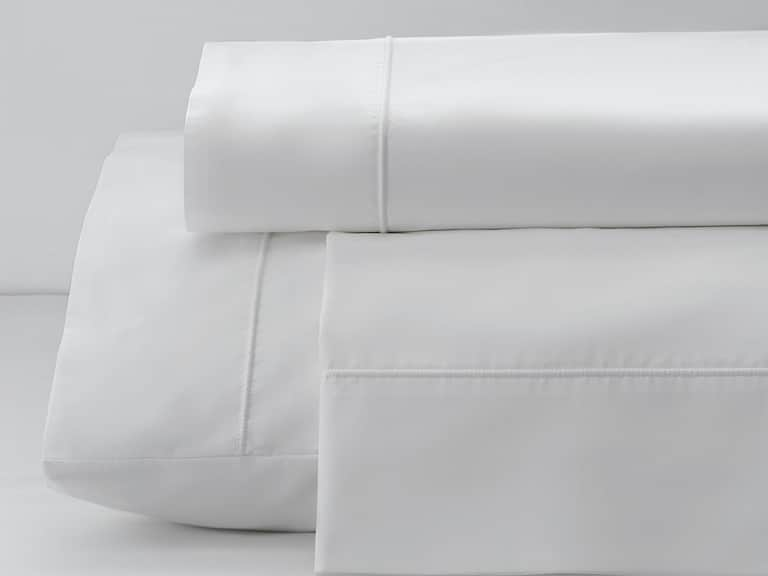
BOVI Simply Percale Pillowcases Set
100% Percale, 400 thread count. White, set of 2. Crisp, airy hand designed for hotel-like breathability.
Why it matters in a linen-forward sleep space: Even when focusing on non-commercial care content, curated accessory pieces like pillowcases can elevate daily rituals. The BOVI Simply Percale Pillowcases Set demonstrates how a crisp, breathable weave can complement linen foundations, balancing cool comfort with a refined, minimalist aesthetic.
The pillowcases’ crisp percale finish offers a tactile counterpoint to the relaxed drape of linen sheets, enabling a sleep surface that remains hygienic and fresh between washes. When paired with pure linen sheets, these pillowcases contribute to an environment that feels both cool and clean—an experience many readers associate with restorative sleep.
XI. Final Thoughts: Building a Care-Focused Linen Identity
A linen bedding care guide is more than a set of instructions; it’s a philosophy of longevity, respect for natural fibers, and an invitation to craft a sleep environment that reflects wellness and restraint. By centering practical guidance on washing, drying, and gentle handling, you establish a trust bridge with readers who seek durable, breathable, and health-conscious bedding.
If you’re exploring content directions for purelinensheets.com, Direction B—Bedding Care and Wellness Information—offers a durable foundation for evergreen content, expert insights, and reader-focused how-to’s. The tone can stay warm, approachable, and evidence-based, with occasional expert anecdotes or historical context to enrich the narrative.
XII. Related Resources and Further Reading
For readers interested in expanding their knowledge, consider these topics and carefully sourced references:
- Textile science primers on linen fiber properties and life cycle
- Guides to GOTS certification and ethical textile production
- Historical overview of linen’s role in European bedding traditions
- Sleep environment optimization and hypoallergenic bedding considerations
XIII. Quick Reference: Care Quick-Checklist (Printable)
A concise, printable checklist you can attach to your laundry space for easy reference:
- Sort linens by dye loads; use mild detergent
- Avoid fabric softeners; opt for fragrance-free options
- Wash in cool to warm water; avoid high heat
- Air-dry when possible; tumble dry on low if needed
- Iron on low heat if desired; store clean and dry
Published: September 30, 2026 • Byline: Your Sleep Advocate Team